
Major Palestinian Cities and Their History
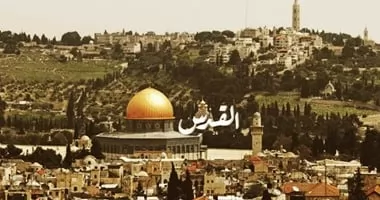
1. Jerusalem:
Jerusalem is one of the oldest cities in the world, having witnessed many successive civilizations, starting with the Canaanites.
It has been a religious and cultural center for the three Abrahamic faiths: Judaism, Christianity, and Islam.
The city includes Al-Aqsa Mosque and the Dome of the Rock, as well as the Church of the Holy Sepulchre, all of which are sacred landmarks for Muslims and Christians.
Jerusalem was centrally governed and served as an important administrative center in the region.
2. Jaffa:
Located on the Palestinian coast, Jaffa is one of the oldest inhabited cities along the Mediterranean coast.
Jaffa was renowned for its port, which connected East and West, and its famous orange groves that exported produce worldwide.
In the 19th century, Jaffa became a commercial and cultural center, flourishing in trade and crafts.
3. Haifa:
Situated in northern Palestine on the Mediterranean Sea, Haifa was an industrial and commercial hub.
Its modern port was built during the British mandate, making it an important point for maritime trade.
Haifa was known for its cultural diversity, hosting Jewish, Christian, and Muslim communities that coexisted together.
4. Nablus:
Located in northern Palestine, Nablus is known for its rich history and cultural diversity.
Nablus is famous for traditional soap-making from olive oil and was also a significant agricultural and commercial center.
The city contains relics from the Roman and Islamic periods.
5. Acre:
Known as a fortified coastal city, Acre is located in northern Palestine.
Acre was a strategic center during the Crusades, known for its fortress and historic markets.
The city combines Islamic Arab heritage with Ottoman architectural influences.
6. Nazareth:
Located in northern Palestine, Nazareth is one of the holiest Christian cities, where Jesus lived, according to Christian beliefs.
The city was part of the trade route connecting Damascus to the Mediterranean.
Today, it hosts important churches like the Basilica of the Annunciation, attracting visitors from around the world.
7. Hebron:
Located in southern Palestine, Hebron is considered a holy city as it includes the Ibrahimi Mosque, believed to house the tombs of the Prophet Abraham and his descendants.
Hebron is an agricultural city, known for grape cultivation, and the manufacture of glass and pottery.
It was a center of trade between the northern and southern regions of Palestine.
8. Gaza:
Located on the Mediterranean coast in southern Palestine.
Gaza has been known since ancient times for its strategic location between Egypt and the Levant, making it a commercial and cultural center.
It relied on fishing and agriculture, especially citrus and grain cultivation.
9. Beersheba:
Located in the Negev Desert, it is traditionally a center for the Bedouins who relied on livestock grazing.
Beersheba hosted popular markets that gathered Bedouins from various areas for trade.
10. Safed:
Located in northern Palestine, Safed is one of the oldest Palestinian cities.
It was a cultural and educational center for Judaism and Islam, especially during the Ottoman period.
Safed is known for its mountainous location, offering beautiful views of Galilee.
Traditional Administrative Divisions of Palestine Before Occupation (Ottoman Rule)
During the Ottoman rule, Palestine was divided into several provinces and districts, governed by local rulers known as "Pashas" or "Mutasarrifs," encompassing both cities and villages.
1. Jerusalem Province:
Includes the city of Jerusalem and its surrounding towns such as Jericho and Bethlehem.
Jerusalem was considered the spiritual and administrative capital of Palestine, where the governor's seat was located.
The Jerusalem Province included several villages relying primarily on agriculture, especially olive cultivation.
2. Jaffa Province:
Encompasses Jaffa and coastal villages such as Lod and Ramla.
Jaffa was a commercial and industrial center, and its vital port connected the area to the outside world.
The region’s inhabitants relied on agriculture and trade, particularly orange cultivation for which it was famous.
3. Haifa Province:
Includes the city of Haifa and some northern villages like Shefa-Amr and Tayibe.
The Haifa port was built in a modern style to serve as Palestine's main maritime gateway.
Haifa was known for its diverse population of Arabs, Jews, and Christians, making it a center of cultural and religious coexistence.
4. Nablus Province:
Encompasses Nablus and its surrounding villages such as Jenin and Qalqilya.
Nablus is one of the oldest cities in Palestine and was a major agricultural and commercial center, especially for olive cultivation.
The city retained its cultural traditions and social diversity, with a large number of wealthy Arab families.
5. Gaza Province:
Extends from Gaza and includes the southern regions of Palestine up to Beersheba.
Gaza was a prominent commercial center, linking the Levant with Egypt.
The area was home to many Bedouin tribes who relied on livestock grazing.
6. Hebron Province:
Includes the city of Hebron and nearby towns like Bethlehem and Beit Jala.
Hebron is a religious and commercial center, known for the Ibrahimi Mosque.
The economic life in Hebron relied on agriculture and crafts such as glass and pottery making.
Palestinian Villages
Palestine includes hundreds of villages distributed among various provinces, most of which relied on agriculture, fishing, and some traditional crafts. These villages preserved unique rural traditions. Some of these villages include:
1. Silwad: Located east of Ramallah, known for olive and fig cultivation.
2. Burqa: Located near Nablus, famous for its vineyards.
3. Deir Yassin: Located west of Jerusalem, known for its elevated location overlooking Jerusalem.
4. Ein Karem: Located near Jerusalem, a beautiful village known for its fresh water and gardens.
5. Beersheba: Gathered the Bedouins of the Negev for trade and supplies.
Each village had its unique character and local traditions. Palestinian villages are generally known for their agricultural character, with residents relying